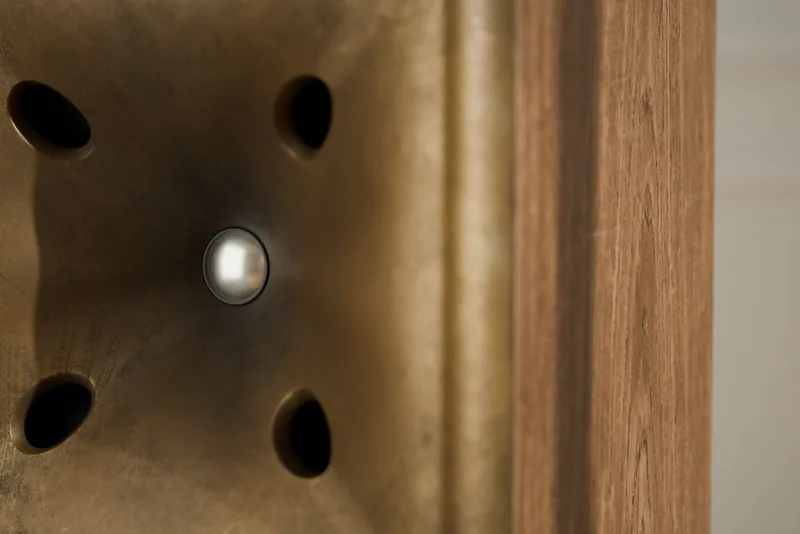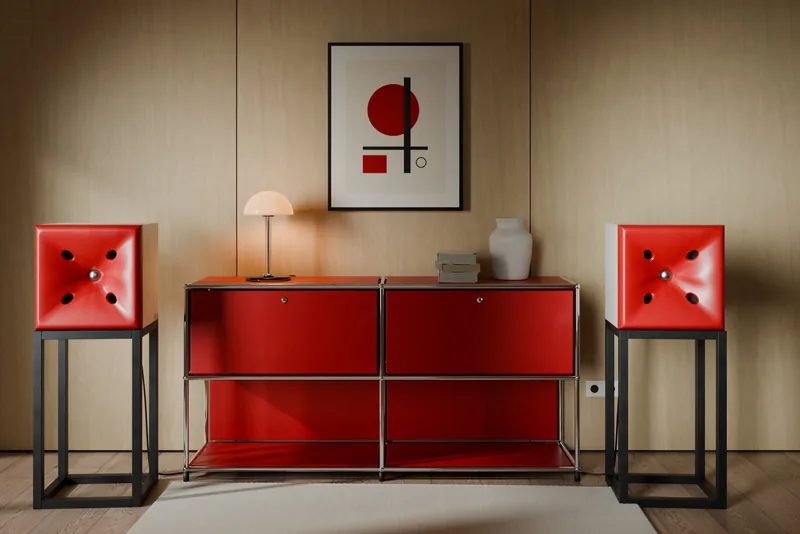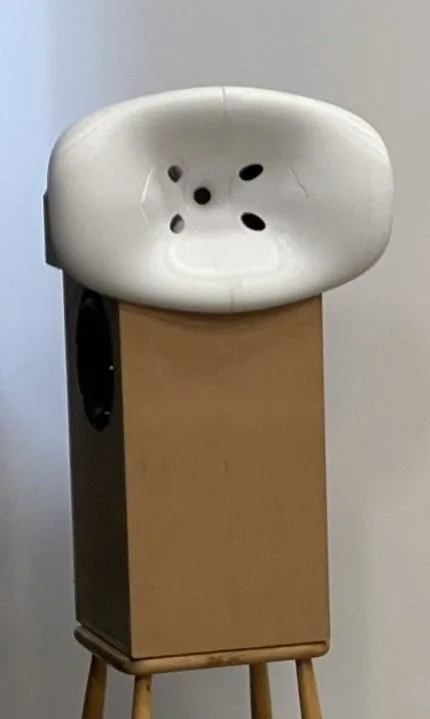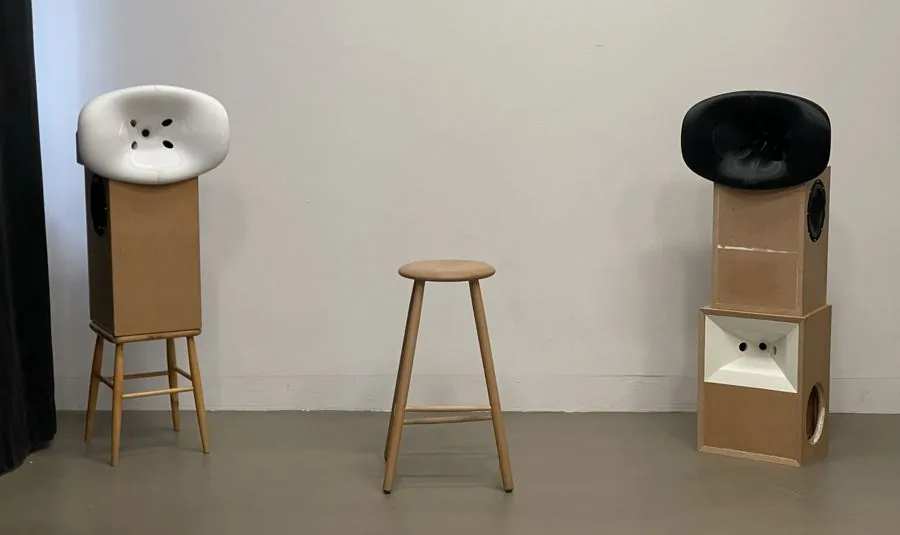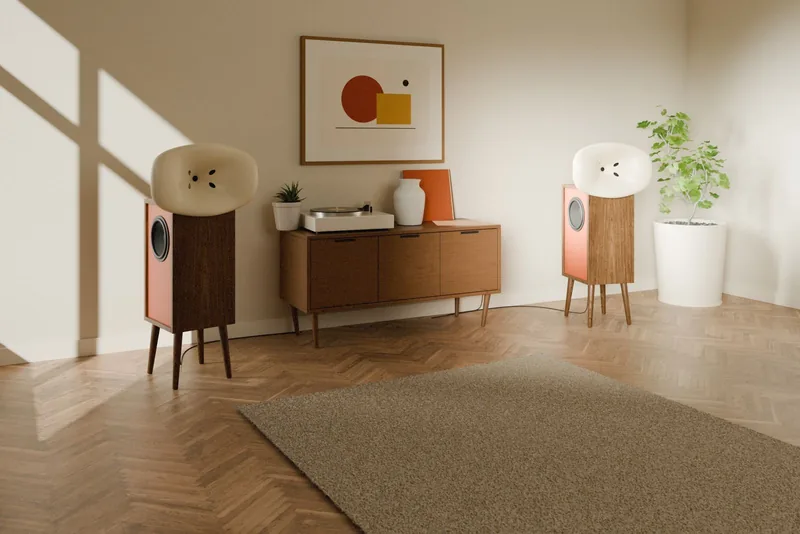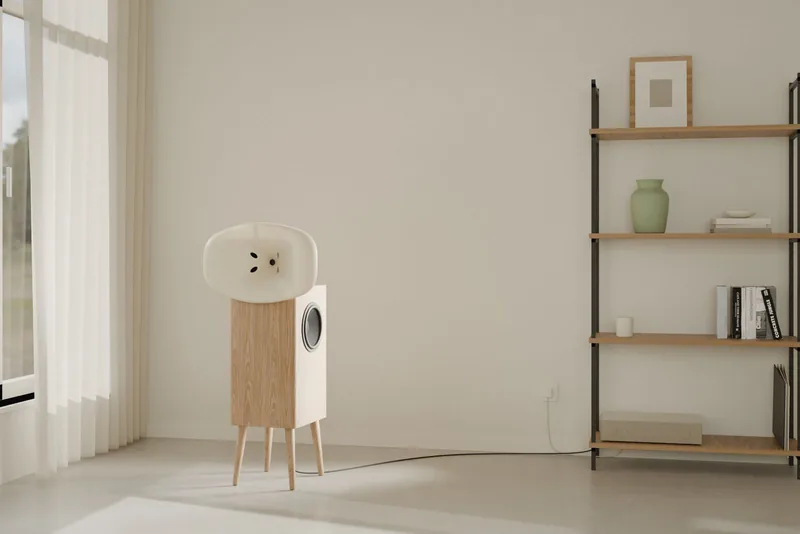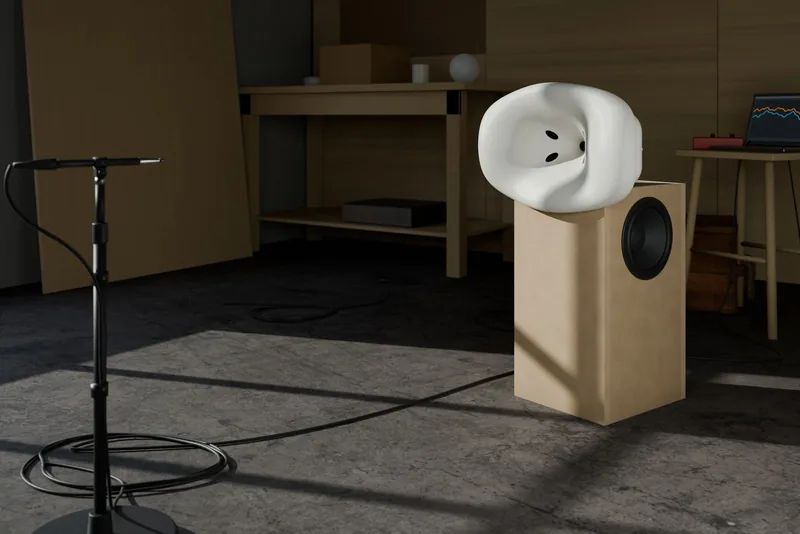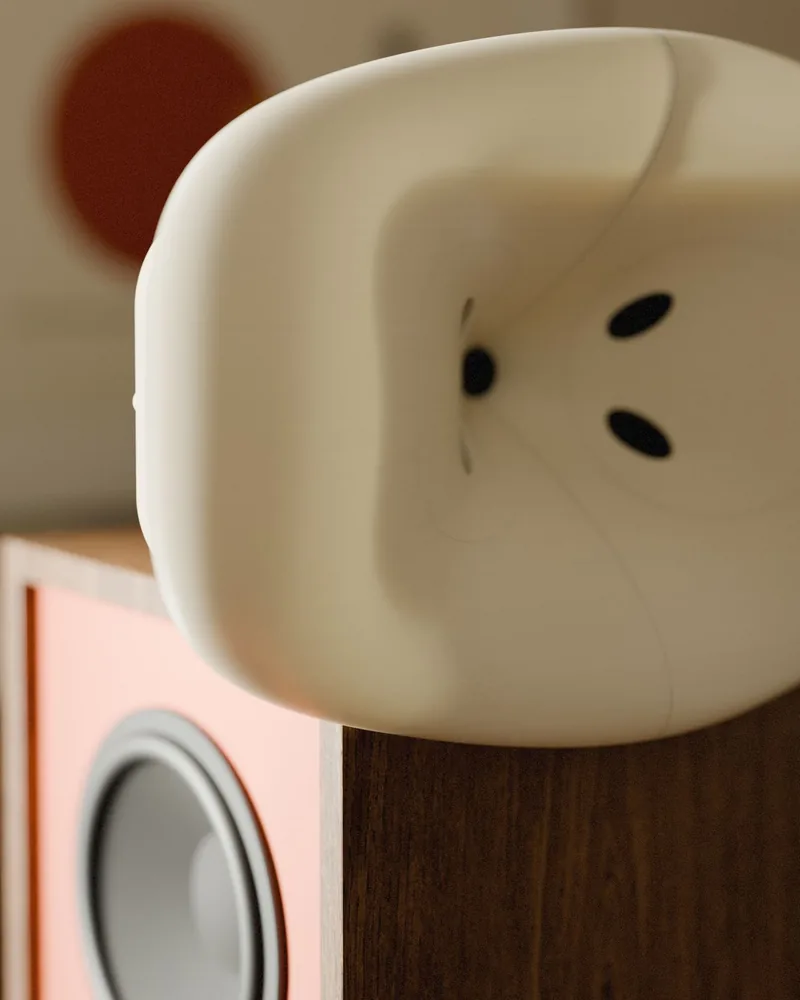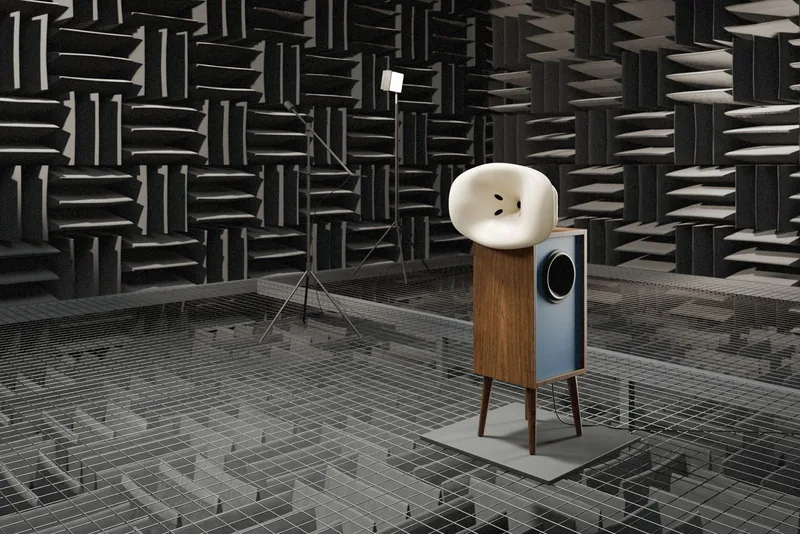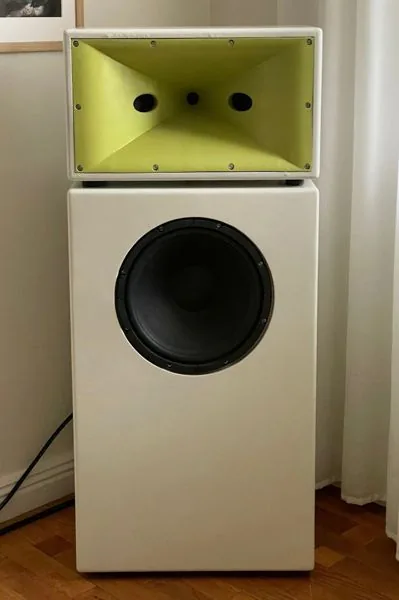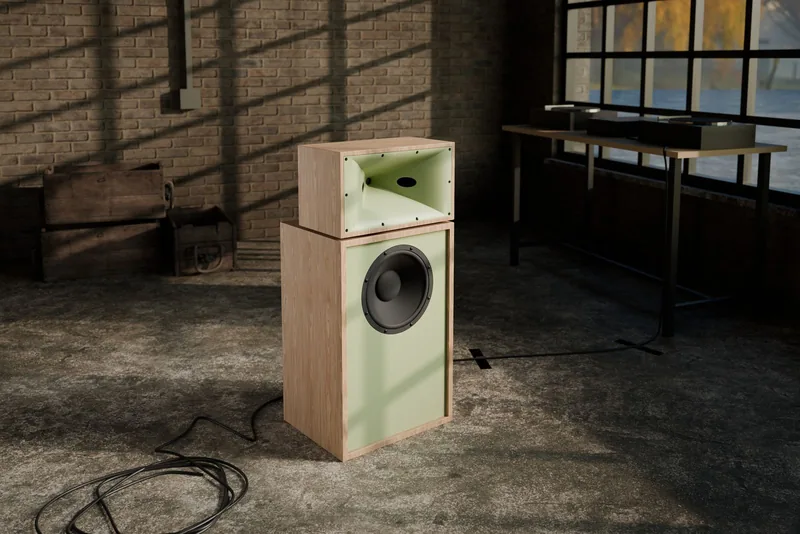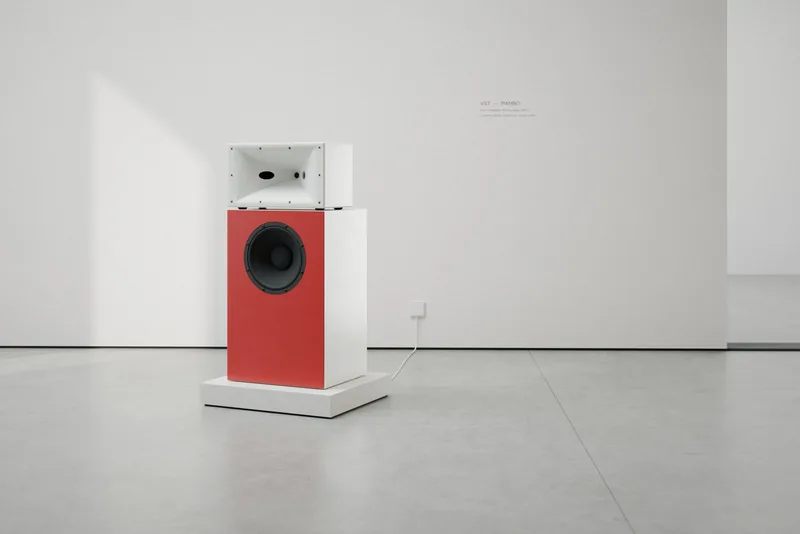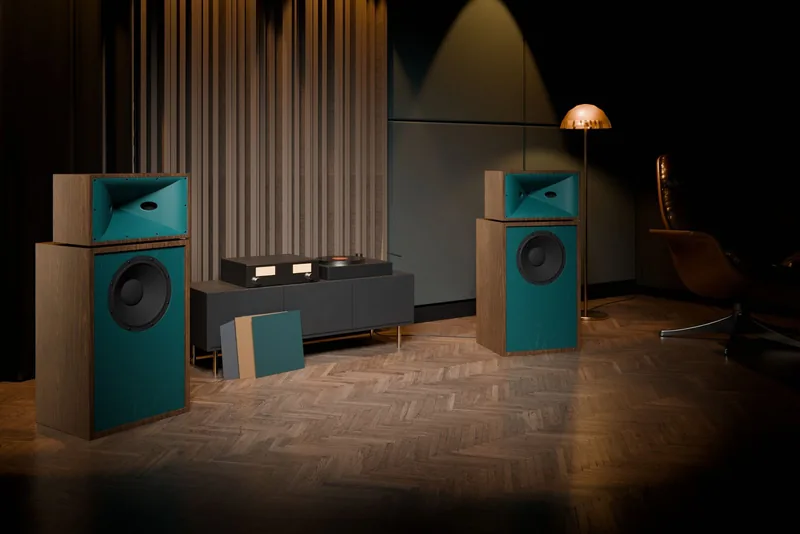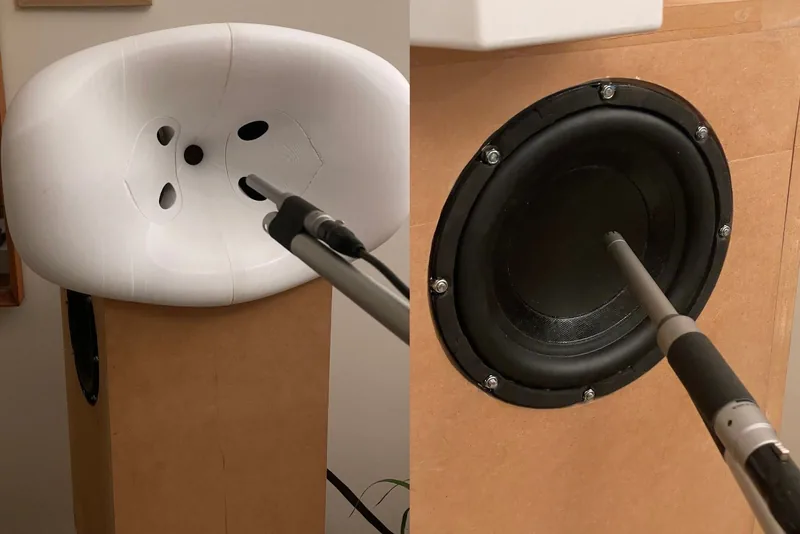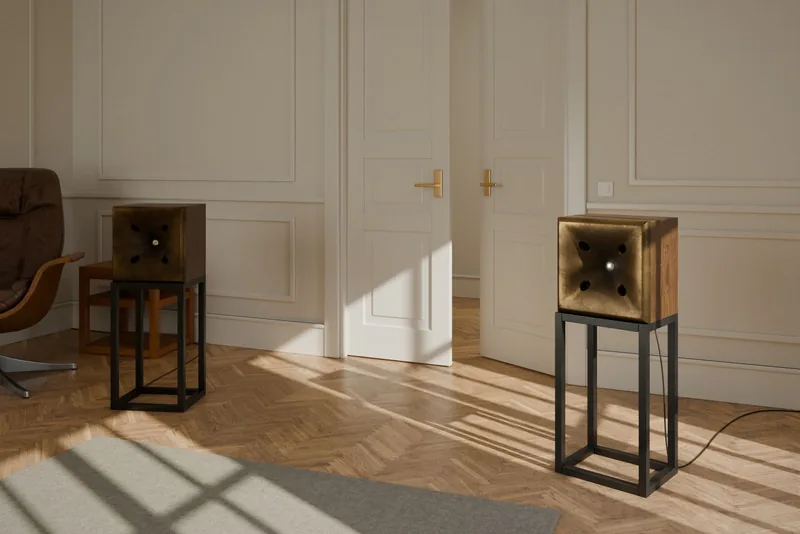
VIST designs horn loudspeakers and waveguides in full 3D simulation before anything is built. That means sound systems for bars, restaurants and concert venues, one-off systems for private listening rooms, and design work for audio companies.
Loudspeaker design
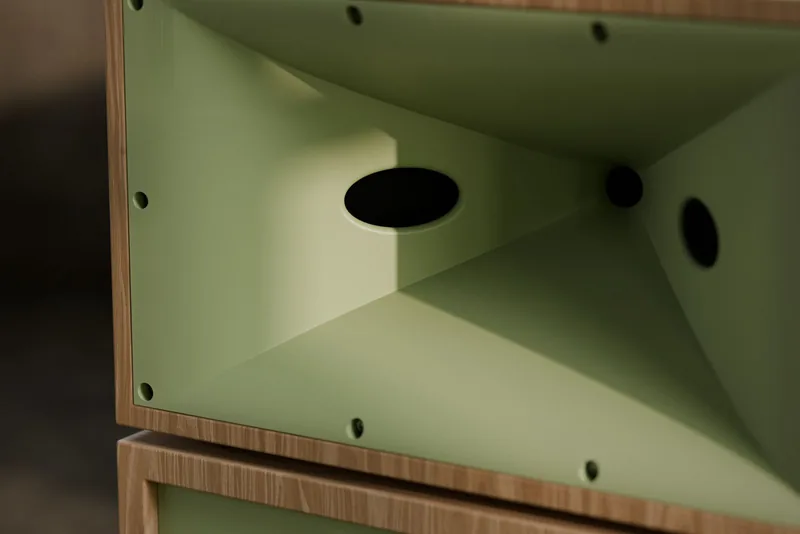
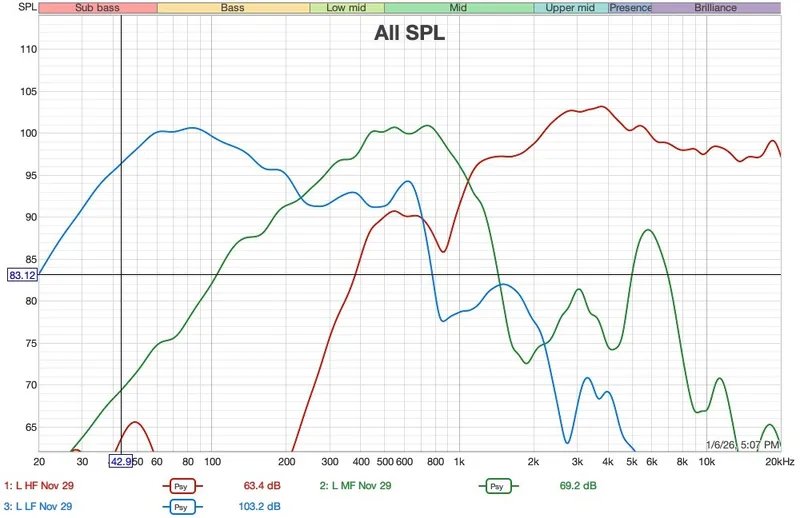
The focus is horn loudspeakers, above all multiple-entry horns, where several drivers share one horn and sound as a single source. Other designs are welcome too.
Every part of the system is taken into account: the room, where people sit or stand, the level needed, and the equipment that is already there. Existing subwoofers or amplifiers can become part of the new system, as long as they are in good condition and deliver what the design needs.
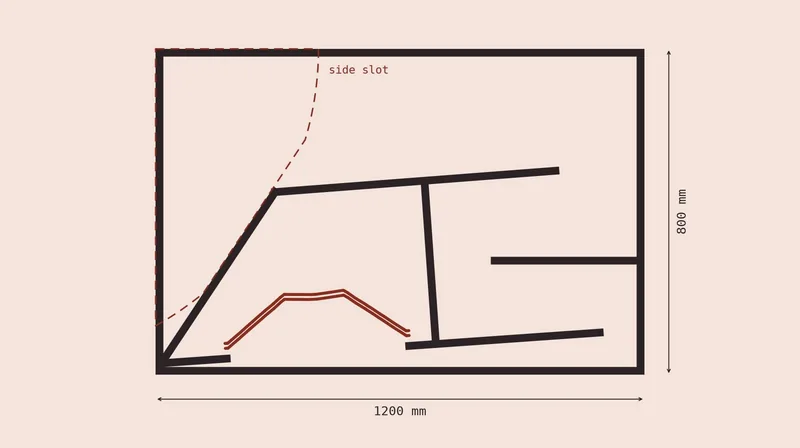
- Model. The whole speaker is built as a 3D model: horn, enclosure, ports and drivers.
- Simulate. Frequency response, directivity, acoustic loading and maximum output are simulated before a single part is made.
- Refine. The weak points the simulation shows are fixed, then simulated again.
- Optimise. An optimiser varies the geometry and keeps the shapes that come closest to the target.
- Drivers. The right drivers are chosen for the design: matched to the horn's loading, the output needed and the budget.
Waveguides
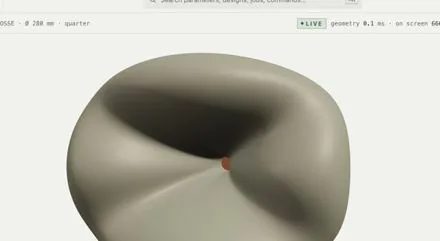
A waveguide is designed for a target polar response: a chosen coverage, held as evenly as possible across the frequency range. Its shape is described by a few parameters, and an optimisation process searches them until the simulated directivity meets the target.
Even directivity matters because, in a room, most of the sound reaches the listener after bouncing off walls, floor and ceiling. When the directivity is even, those reflections have the same tonal balance as the direct sound: the speaker sounds the same across the room, the stereo image stays stable, and one EQ corrects the direct sound and the reflections together.
The throat sets a trade-off. A horn that loads the driver hard, with a high acoustic impedance, plays louder for less movement, but its coverage usually narrows as frequency rises. A constant-directivity waveguide keeps the coverage even, with lighter loading. Which is right depends on the driver, the level and the room. Designs can be adapted to dome tweeters or compression drivers.
Optimisation
For a design that already exists: a horn, a waveguide or a whole speaker that works, but could be better. Its geometry is simulated as it is, then optimised towards a target, such as smoother polars, less beaming or a flatter response, within the limits that are already set: the mouth, the depth, the driver.
CAFMEH shows what this can do. Prototype 3 was built and measured: its coverage swings between 98° and 124° sideways and between 72° and 128° up and down from 1 to 10 kHz, so the sound changes as you move. The optimised horn keeps the same cabinet and 1-inch compression driver: in simulation its coverage stays between 84° and 101°, both sideways and up and down. On the maps, the more even the colour bands, the more alike the sound is across the room.
System and room design
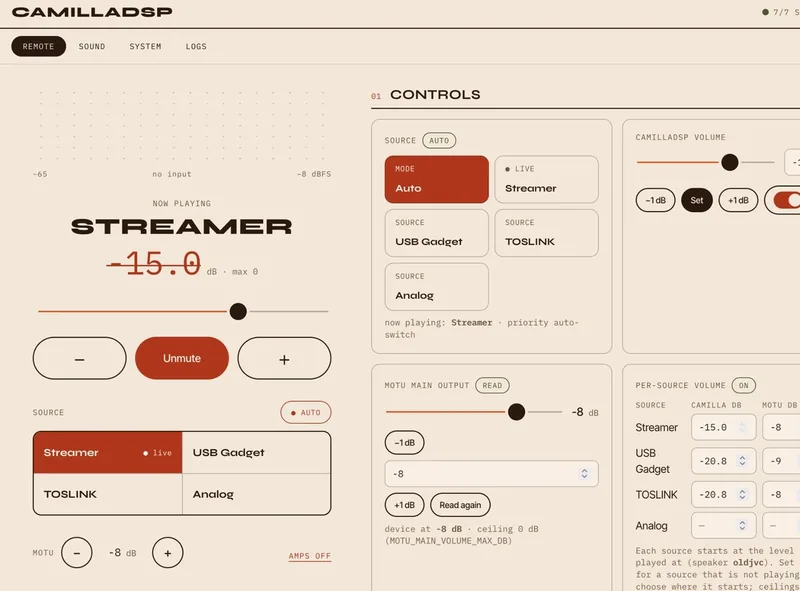
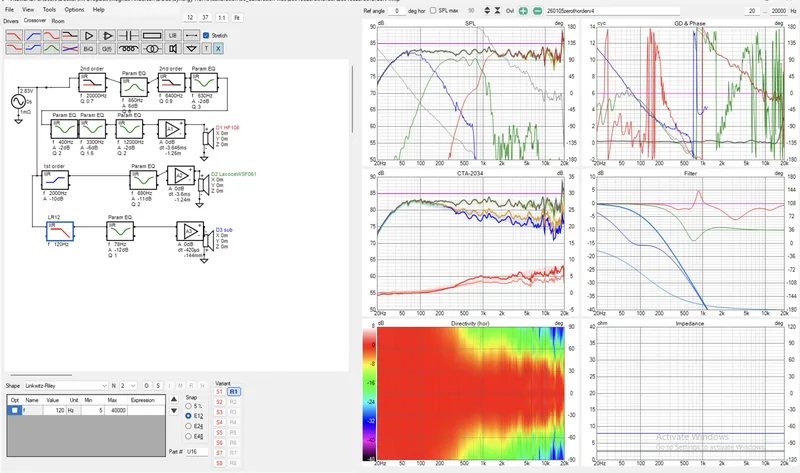
A good system is more than good speakers. The whole installation is planned together: where each speaker and subwoofer goes, how they hand over to each other, how loud the system needs to play, which amplifiers and processing drive it, and where acoustic treatment does the most good. Equipment that is already there is taken into account too.
The room is part of the design. A simulation shows where the bass builds up and where it cancels, and how moving a speaker, a subwoofer or the listening position changes what is heard, before anything is moved or built. From there, the layout, the crossover and the treatment are chosen so the system sounds its best where people actually listen.